Why We Exist
Today, we face new challenges that will require reimagining the public purpose of higher education for decades to come.
These include the need to attract and retain a more diverse faculty that better mirrors society, to improve experiential learning opportunities in ways that connect with a majority-minority student body, and the urgency to convince a skeptical public of higher education’s mission.
As the world’s preeminent public university system, the University of California can lead this transformation. Engaged research, evidence-based decision-making, and community capacity building — all arenas where the UC’s expertise can make a difference — will be critical to scaling up solutions to complex challenges like climate change, social injustice, and health disparities.
In response to these challenges, faculty formed the University of California Community Engagement Network in 2020.
Founding Members
Our founders are experienced practitioners who have worked with community partners while building more equitable systems for academic-community collaboration.
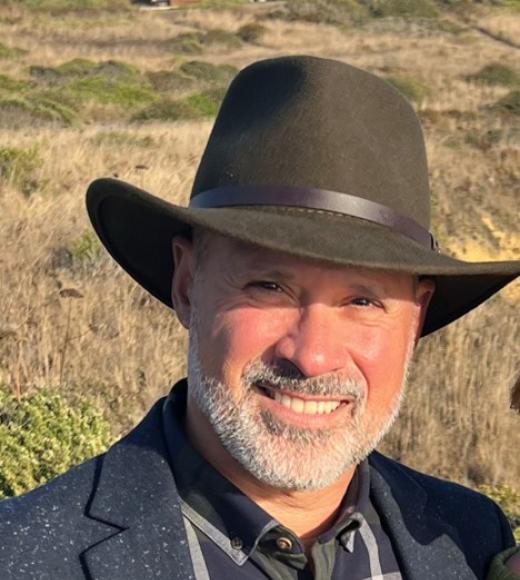
Michael Rios
Professor of landscape architecture + environmental design
Department of Human Ecology
UC Davis
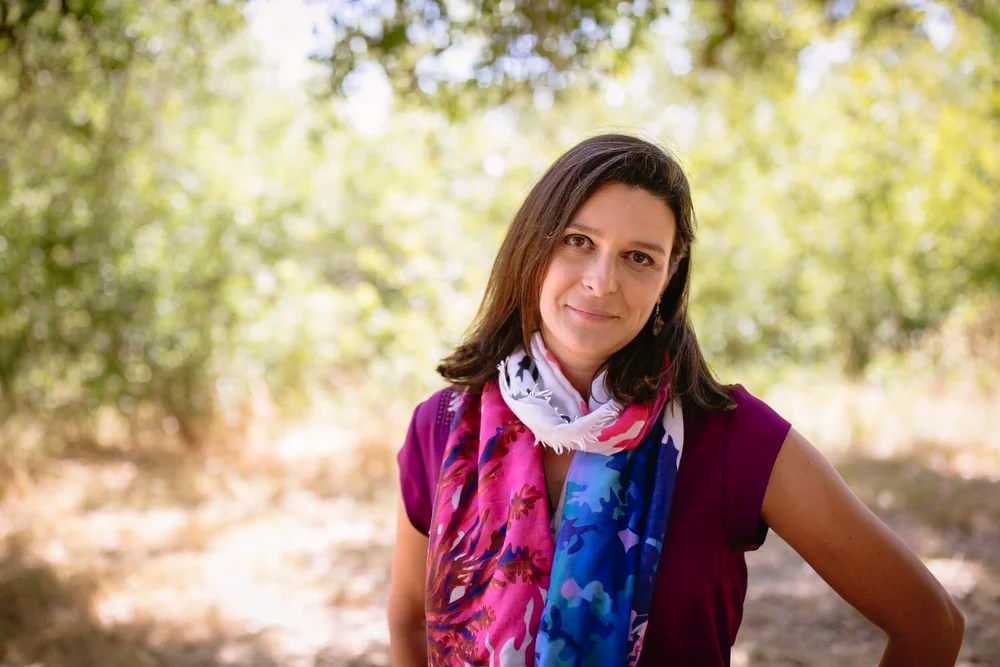
Tessa Hill
Professor in the UC Davis Department of Earth & Planetary Sciences
Bodega Ocean Acidification Research (BOAR) group at Bodega Marine Laboratory
UC Davis
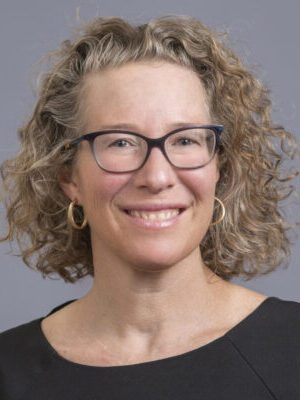
Emily Ozer
Professor of Community Health Sciences
UC Berkeley School of Public Health
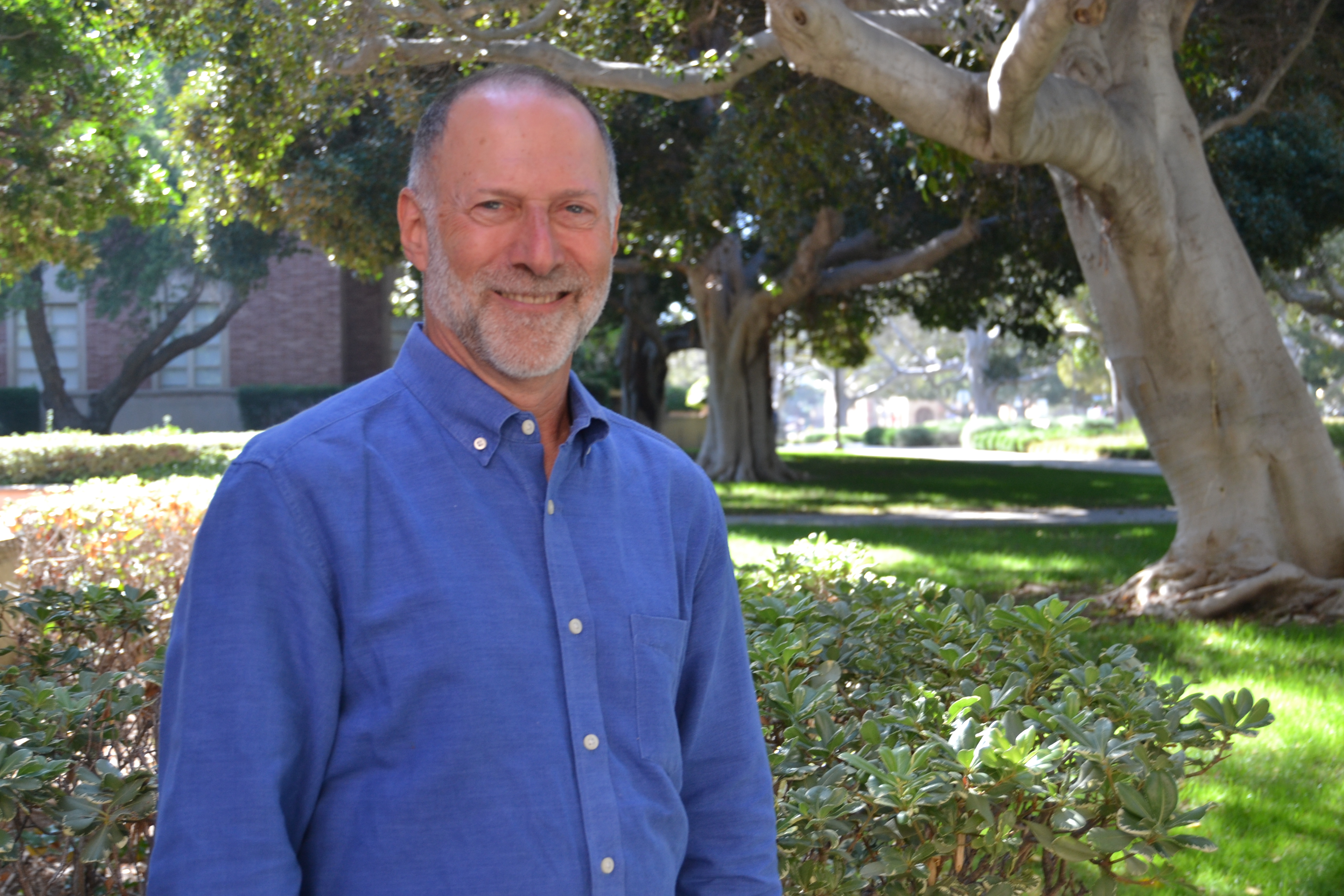
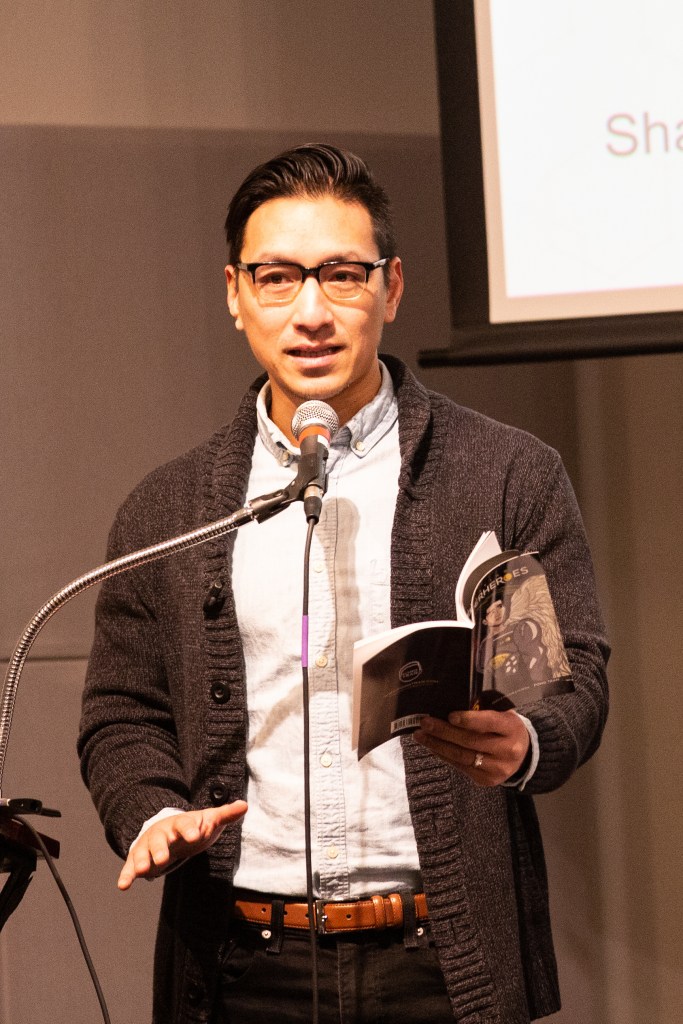
Shalom Staub
Assistant Vice Provost
and Executive Director of the UCLA Center for Community Engagement (Retired)
Responding to the times
Community engagement is not new to the University of California given the distinctive mission of the university to serve society. As evidence of the need to deepen and integrate community engagement into our mission, the UC Office of the President sponsored a 2005 symposium resulting in the report, Promoting Civic Engagement at the University of California: Recommendations from the Strategy Group on Civic and Academic Engagement. Building on these efforts, the University of California Community Engagement Network (UCCEN) was formed in 2022.
A steering committee and initial work groups were established resulting from a facilitative process to identify shared challenges across the UC system and to build a robust, asset-based network to develop actionable solutions and share best practices to advance our public mission and magnify collective impact through reciprocal and mutually beneficial community engagement. These work groups included a focus on academic personnel (reward structures, promotion, and tenure), best practices (sharing and organizing internal resources), and advocacy (raising visibility and engaging partners).
 UC Community Engagement Network