Community engagement within academic institutions is undervalued and ineffectively supported. We are working to adapt our engagement practices, policies, and cultures.
Academic community engagement can increase student recruitment, attract and retain the most motivated changemakers, develop truly novel research and scholarship opportunities, build resilient coalitions, and distinguish universities by aligning university missions with everyday practice.
Investing in durable social change won’t happen without a network of committed individuals who are identifying how to advance institutional change into realistic and implementable next steps.

Adaptable academic leaders can rebuild institutional capacities from engines for siloed research and knowledge production into an integrated academic-community network of practitioners who uplift community knowledge to incubate social justice labs for real-world problem-solving.
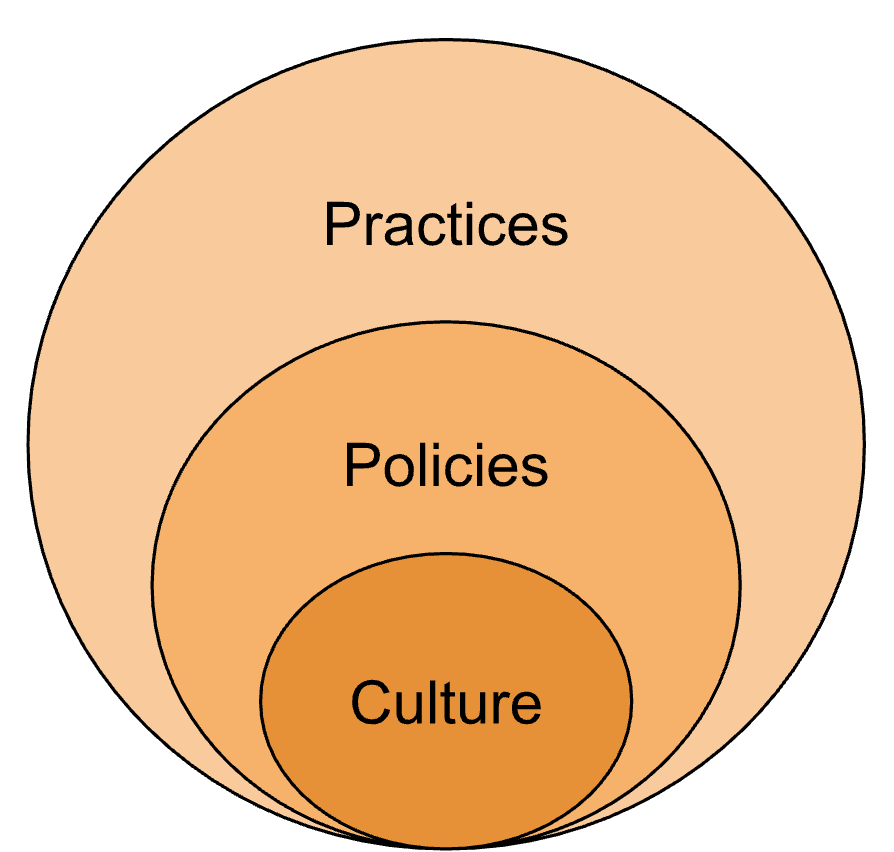
Our Vision
We envision the possibility for university leadership to assess their community-engaged networks to understand faculty and student needs to cultivate transformative community-engaged networks. We also call on university administrators and leaders to clarify practitioner responsibilities to cohere and align practices, policies, and ultimately empower a culture of mutual engagement.
Organizational readiness and capacities for change will vary tremendously across institutions. We recommend leaders and administrators to carefully select a suite of centralized activities to advance continuous and durable change management strategies.

We need academic leaders who can…
- Communicate the value of community engagement
- Envision community engagement as a virtuous cycle of research leading to community empowerment and culminating in novel scholarship and new questions
- Invest in models that normalize, formalize, and institutionalize engaged practices
- Build cross-institutional community-engaged alliances
- Advocate with funders to include marginalized communities as co-producers
Adapt Research Compliance
- Include community members as principal investigators
- Align Institutional Review Boards’ considerations of engaged practices with real community risks
- Normalize non-binding community agreements


Streamline Payment Processes
All university partners experience multiple barriers throughout the contract and payment process. While large institutions can effectively absorb these additional costs, these unforeseen delays cause considerable harms to smaller, more constrained community partners.
Payment systems must be streamlined by simplifying roles, mechanisms, and approval pathways.
Faculty Evaluation
Community-engaged scholarship and research are more than service. We are working to…
- Provide clear guidelines for incorporating community-engaged efforts into promotion and tenure files at the campus, division, and departmental levels
- Coordinate across course offerings, student success, and research software systems to effectively categorize and track community engagement
- Coordinate with Public Impact and Engagement data and evaluation

Data & Evaluation
Institutions and community-engaged practitioners need timely, insightful data to effectively plan and allocate their scarce resources.
We want to work with community-engaged networks to…
- Develop institutional indicators and measures
- Coordinate discipline-specific indicators and measures
- Provide guidelines and standards for community partners to evaluate academic contributions
Institutional Structures
Organizational readiness to implement community-engaged infrastructures will vary widely. Academic leaders must assess several factors to allocate scarce resources effectively…
- Who are your community-engaged champions, and how are their networks organized?
- What does the network need?
- Does this vision approach a virtuous cycle that benefits students, faculty, and the university?
- What are the available resources, and how do we match these to the necessary scope, scale, and duration?
- How can we map an implementation plan to coordinate efforts across leadership, administrators, and faculty practitioners?


Academic Transparency
Academia remains opaque and hard to access. Partners can benefit from user-friendly tools that help them identify aligned faculty and provide meaningful feedback.
- Identify simple and meaningful tools to network across academic and community organizations, track partnerships, and share relevant events and other opportunities
- Develop Community Boards at the project, unit, and even institutional levels to help academic practitioners improve their approaches and provide their collaborators with alternative venues for feedback
Storytelling that uplifts partners as knowledge producers
Organizational readiness to implement community-engaged infrastructures will vary widely. Academic leaders must assess several factors to allocate scarce resources effectively…
- Give credit to individual community contributions alongside faculty, staff, and students
- Center community partners’ knowledge, experiences, and cultures as complementary, if not exemplary, to the research and scholarship process
- Use the university platform to amplify partner goals
- Confront extractive marketing systems by ensuring that all funds raised benefit the partnerships at the center of the stories